[Daniel Santoro] Panorama of Rosario

Artist Daniel Santoro inaugurated Panorama de Rosario at the Contraviento Cultural Center.

[Daniel Santoro] Panorama of Rosario


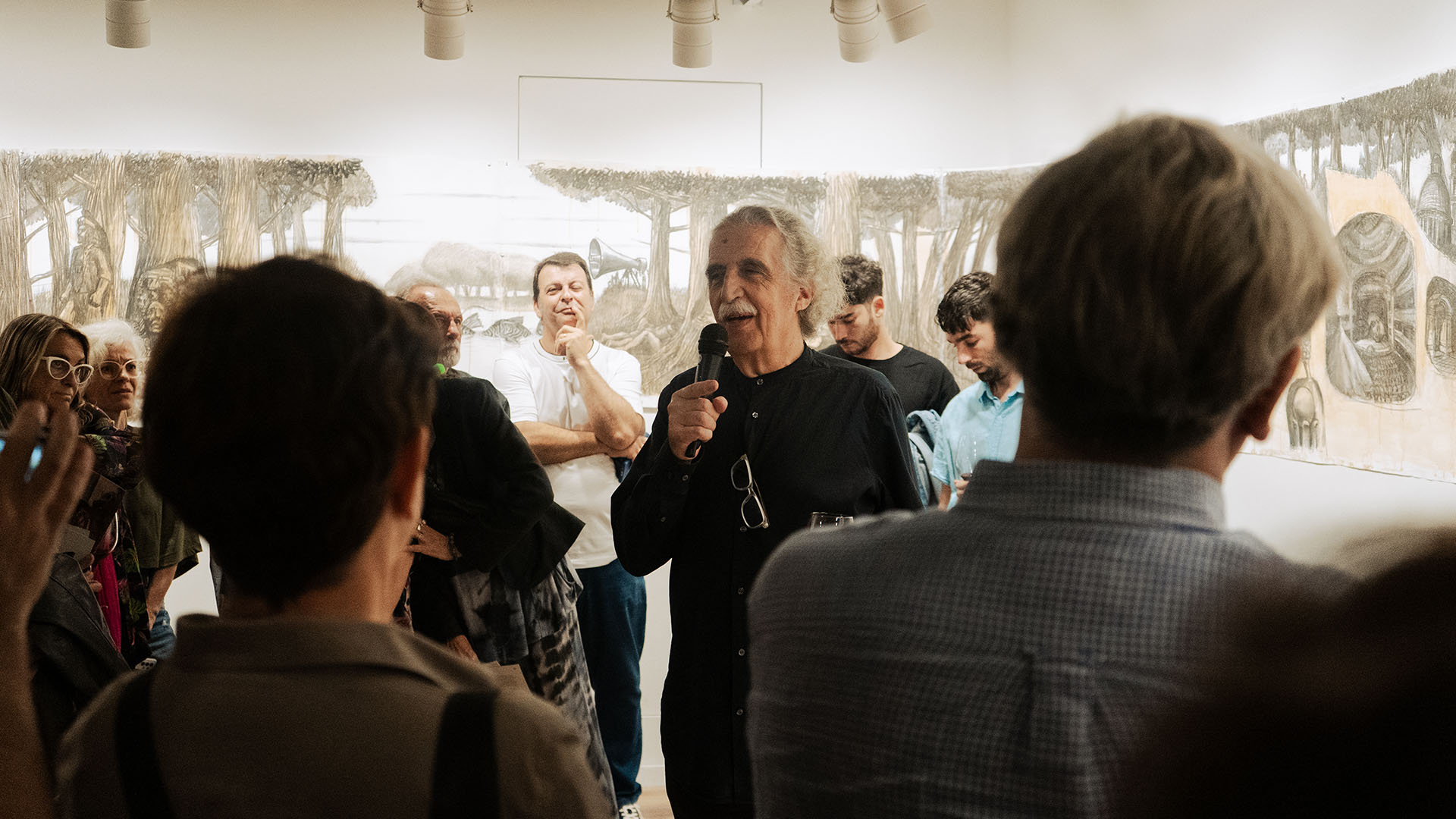
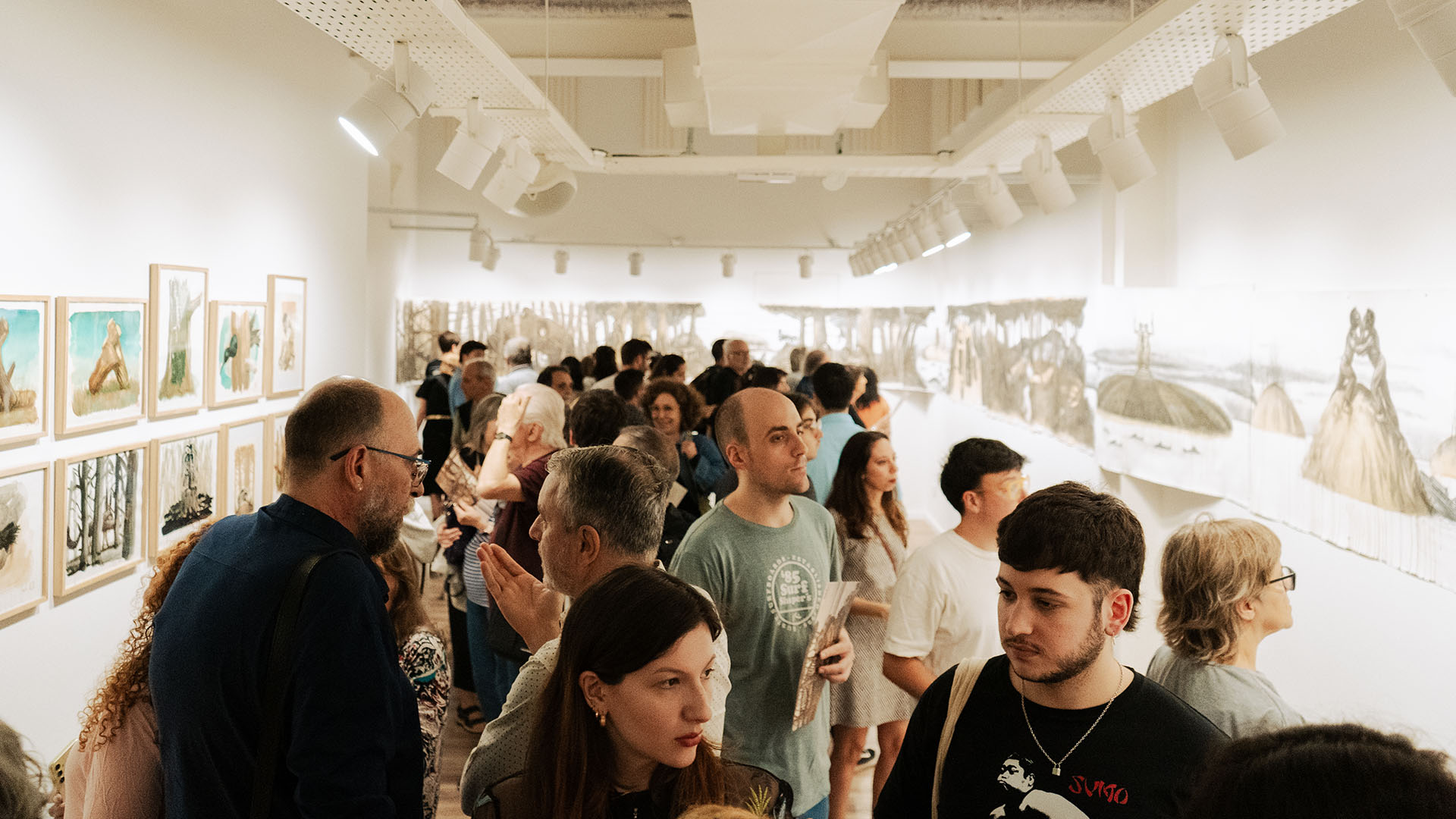
Artist Daniel Santoro inaugurated Panorama of Rosario at the Centro Cultural Contraviento (CCC), a piece of work he elaborated especially for the occasion, and which reflects, for the very first time, a work of his own about the city.


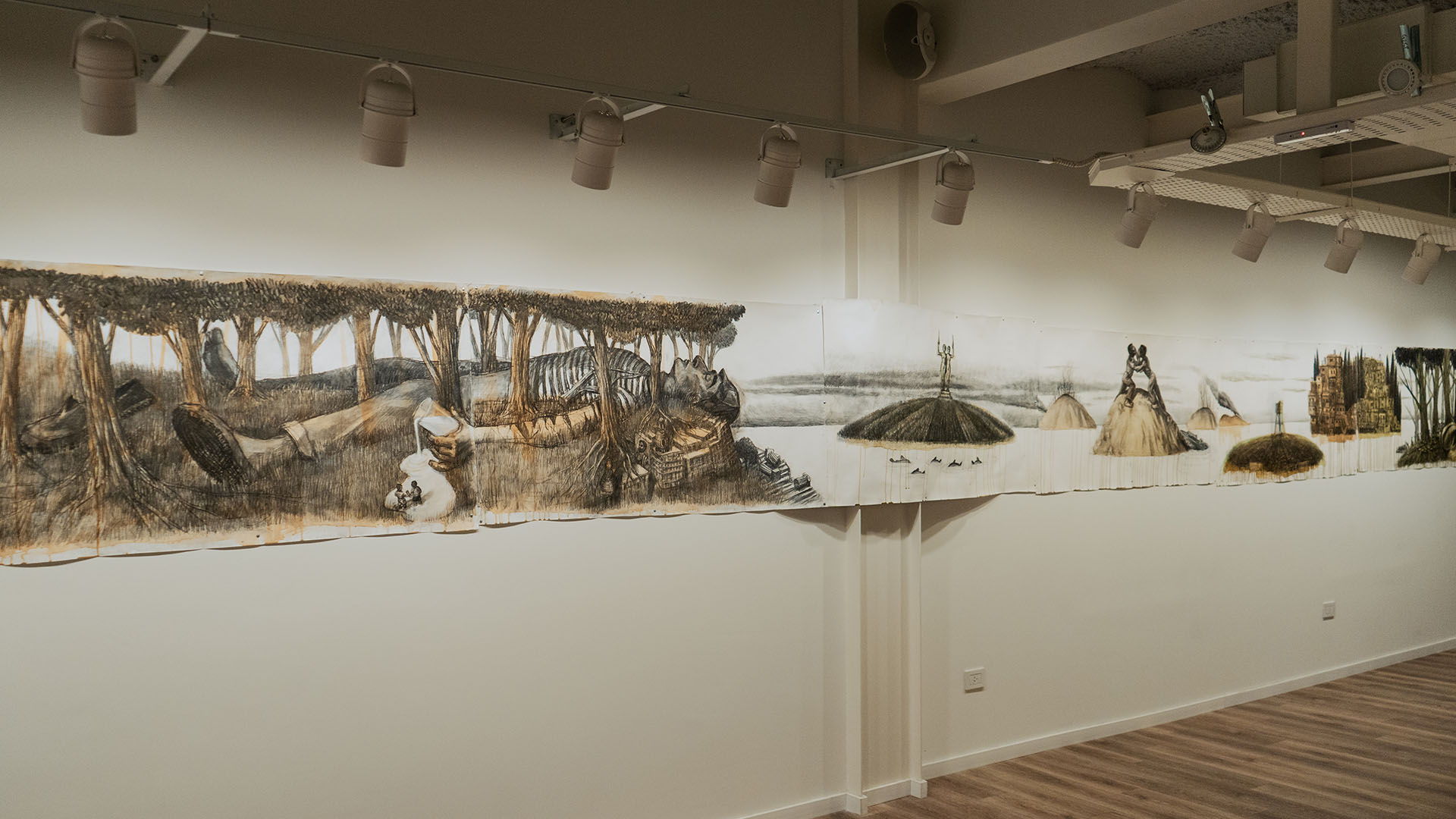
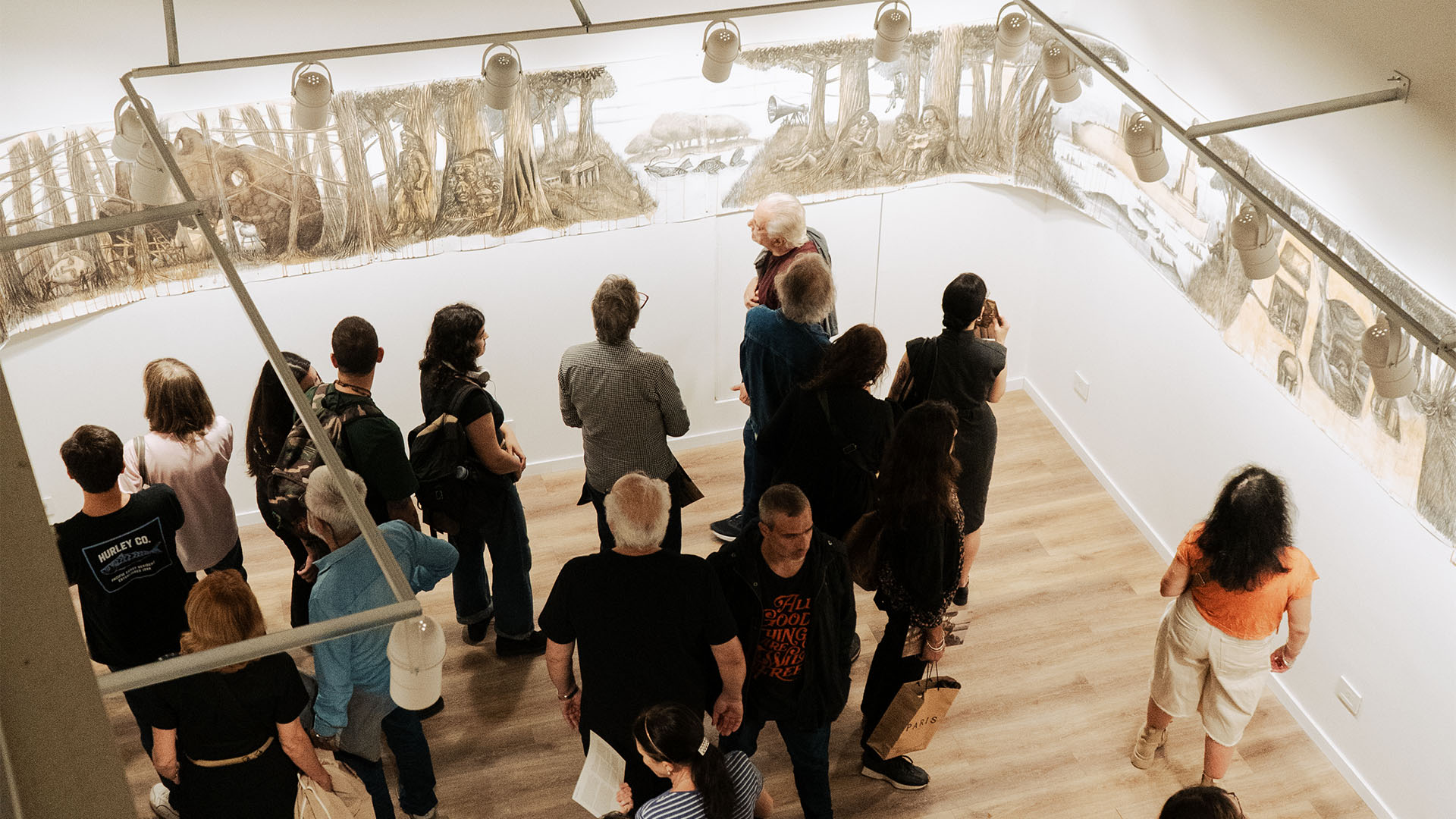
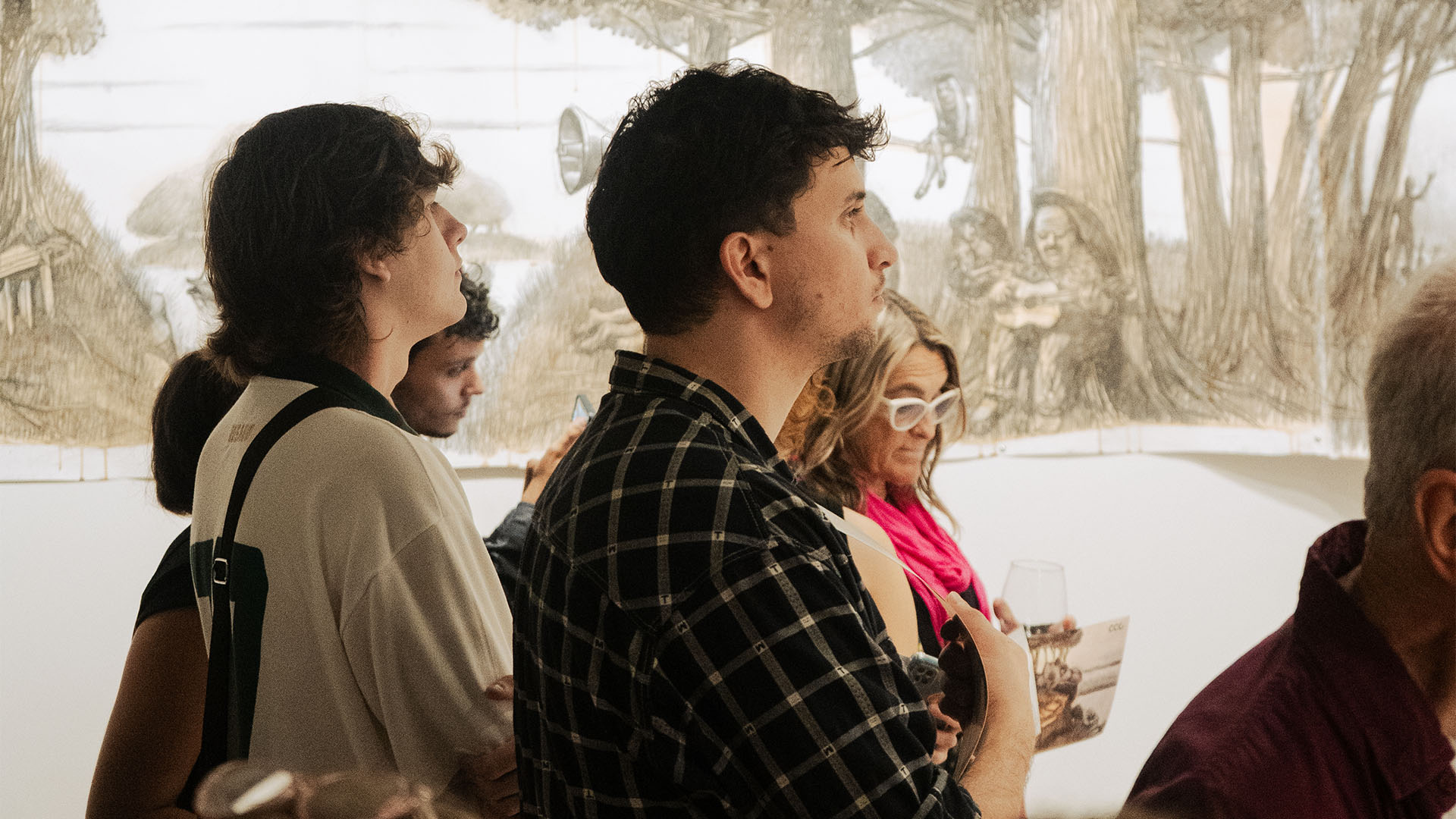
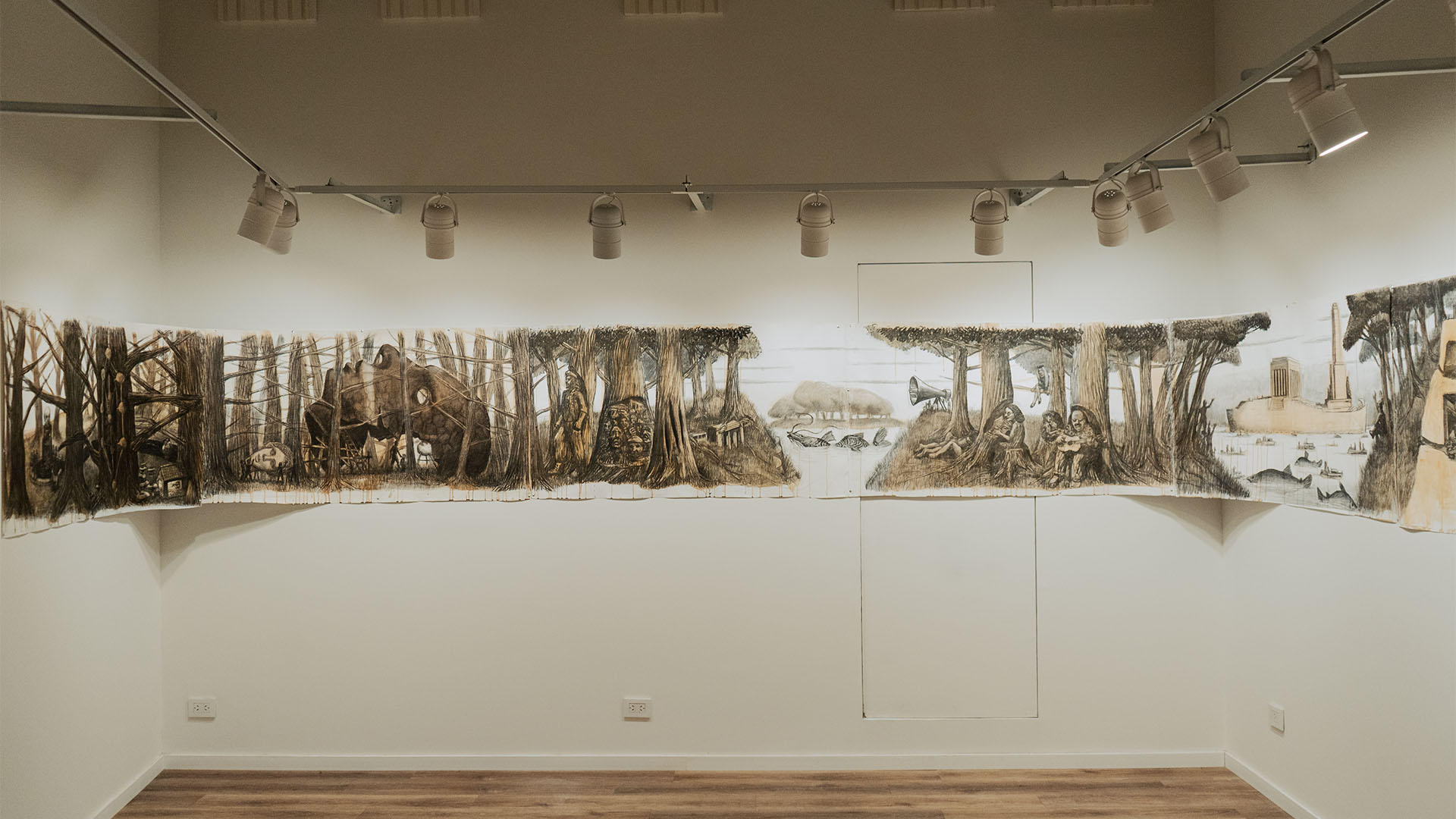
Panorama of Rosario is a painting in a continuous module that expands horizontally over eighteen meters and is installed in the main auditorium of the cultural space that constitutes the Rosarian section of the artist's two-year-old work, El teatro de la memoria (The Theater of Memory), exhibited at the Museo Nacional de Bellas Artes.


The artwork presents a succession of scenes of crisis and collapses of humans and their world, and, on this occasion, the setting is Rosario. “It’s a kind of end-of-times of the future,” Santoro described in the streaming Núcleo, one of the many media that interviewed the artist.


It is a panorama that represents footprints in a post-apocalyptic setting. In this journey through Rosario's identity, Santoro appealed to the city’s symbolism, to geographical references, such as the Paraná River and the Flag Memorial, and also to local figures such as Che Guevara, Lionel Messi, Alberto Olmedo’s Capitán Piluso, Litto Nebbia, Silvina Garré, Juan Carlos Baglietto, Fito Páez, Lucio Fontana, Antonio Berni, Roberto Fontanarrosa and the Serodino-born but adopted by our city, Juan José Saer. “Artists remain, always”, says Santoro in his guided tour for Contraviento.


A whole immense dark jungle drawn with charcoal in such a way that whoever observes it will be forced to walk through it to reach a new possible form of humanity. Precisely, towards the end of the tour, the symbol of the tree of life stands out, the vertical leg of a piece of work that is horizontal throughout its entire trajectory.


In the painter’s words: “The vertical has a connection with transcendence, with religiosity. The tree of life is an attempt to order all that chaos. An energy that comes from God enters it and degrades through two columns —harshness and mercy. From this complex movement, a new form of human presence emerges from Earth.


Santoro has visited the city several times and he dwelled on its physiognomy and history. “For me, Rosario is an autochthonous apparition, something that has sprouted from the earth itself. It is a mythical city created in illo tempore (in some remote time) and, like all mythical territory, it is and it was inhabited by great and marvelous creatures, and, at the same time, by unscrupulous primitive beings. This drawing tries to account for this exceptional feature of the city.”


Santoro has a need to revisit the myth with his work. “You must have a specific ability or emotional fixation. This is a story included in something bigger. My idea is to return to a certain mythological question with Rosario.”


CENTRO CULTURAL CONTRAVIENTO
[Daniel Santoro] Panorama of Rosario

Artist Daniel Santoro inaugurated Panorama de Rosario at the Contraviento Cultural Center.

Artist Daniel Santoro inaugurated Panorama of Rosario at the Centro Cultural Contraviento (CCC), a piece of work he elaborated especially for the occasion, and which reflects, for the very first time, a work of his own about the city.


Panorama of Rosario is a painting in a continuous module that expands horizontally over eighteen meters and is installed in the main auditorium of the cultural space that constitutes the Rosarian section of the artist's two-year-old work, El teatro de la memoria (The Theater of Memory), exhibited at the Museo Nacional de Bellas Artes.


The artwork presents a succession of scenes of crisis and collapses of humans and their world, and, on this occasion, the setting is Rosario. “It’s a kind of end-of-times of the future,” Santoro described in the streaming Núcleo, one of the many media that interviewed the artist.


It is a panorama that represents footprints in a post-apocalyptic setting. In this journey through Rosario's identity, Santoro appealed to the city’s symbolism, to geographical references, such as the Paraná River and the Flag Memorial, and also to local figures such as Che Guevara, Lionel Messi, Alberto Olmedo’s Capitán Piluso, Litto Nebbia, Silvina Garré, Juan Carlos Baglietto, Fito Páez, Lucio Fontana, Antonio Berni, Roberto Fontanarrosa and the Serodino-born but adopted by our city, Juan José Saer. “Artists remain, always”, says Santoro in his guided tour for Contraviento.


A whole immense dark jungle drawn with charcoal in such a way that whoever observes it will be forced to walk through it to reach a new possible form of humanity. Precisely, towards the end of the tour, the symbol of the tree of life stands out, the vertical leg of a piece of work that is horizontal throughout its entire trajectory.


In the painter’s words: “The vertical has a connection with transcendence, with religiosity. The tree of life is an attempt to order all that chaos. An energy that comes from God enters it and degrades through two columns —harshness and mercy. From this complex movement, a new form of human presence emerges from Earth.


Santoro has visited the city several times and he dwelled on its physiognomy and history. “For me, Rosario is an autochthonous apparition, something that has sprouted from the earth itself. It is a mythical city created in illo tempore (in some remote time) and, like all mythical territory, it is and it was inhabited by great and marvelous creatures, and, at the same time, by unscrupulous primitive beings. This drawing tries to account for this exceptional feature of the city.”


Santoro has a need to revisit the myth with his work. “You must have a specific ability or emotional fixation. This is a story included in something bigger. My idea is to return to a certain mythological question with Rosario.”


[Daniel Santoro] Panorama of Rosario