Federico Cantini

[Cayendo hacia adelante (Falling Onward)] Federico Cantini’s exhibition

Federico Cantini


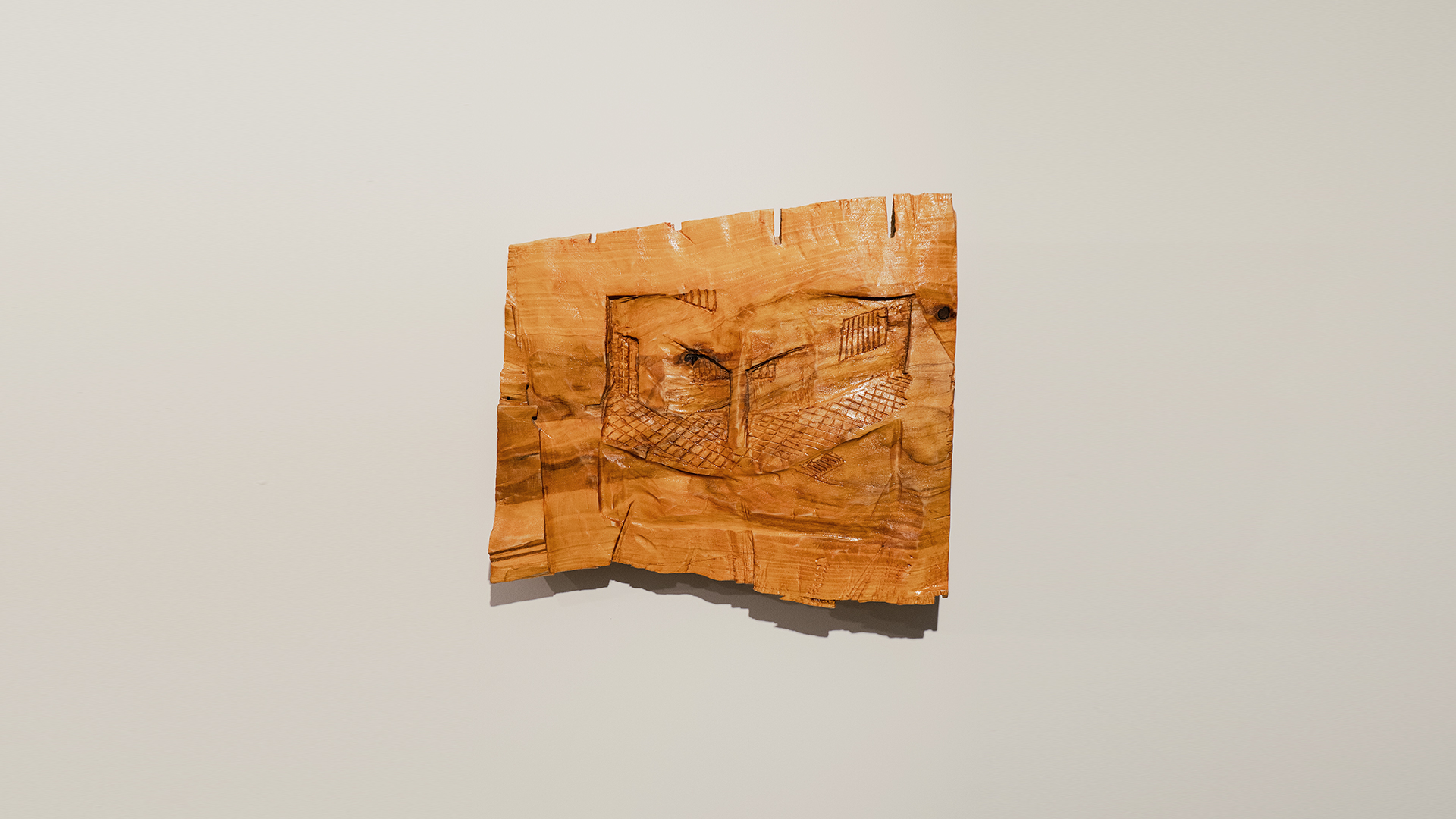
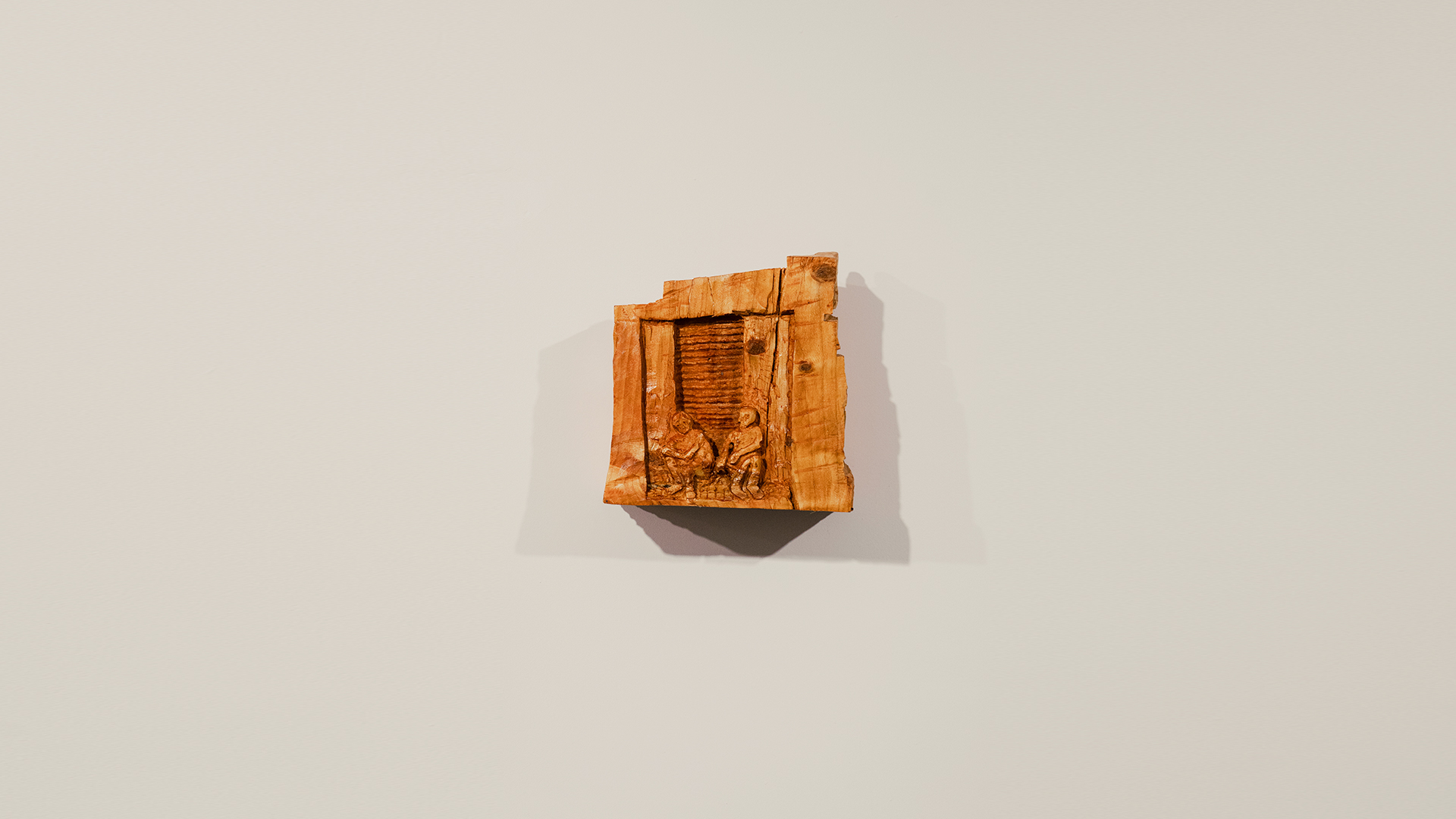
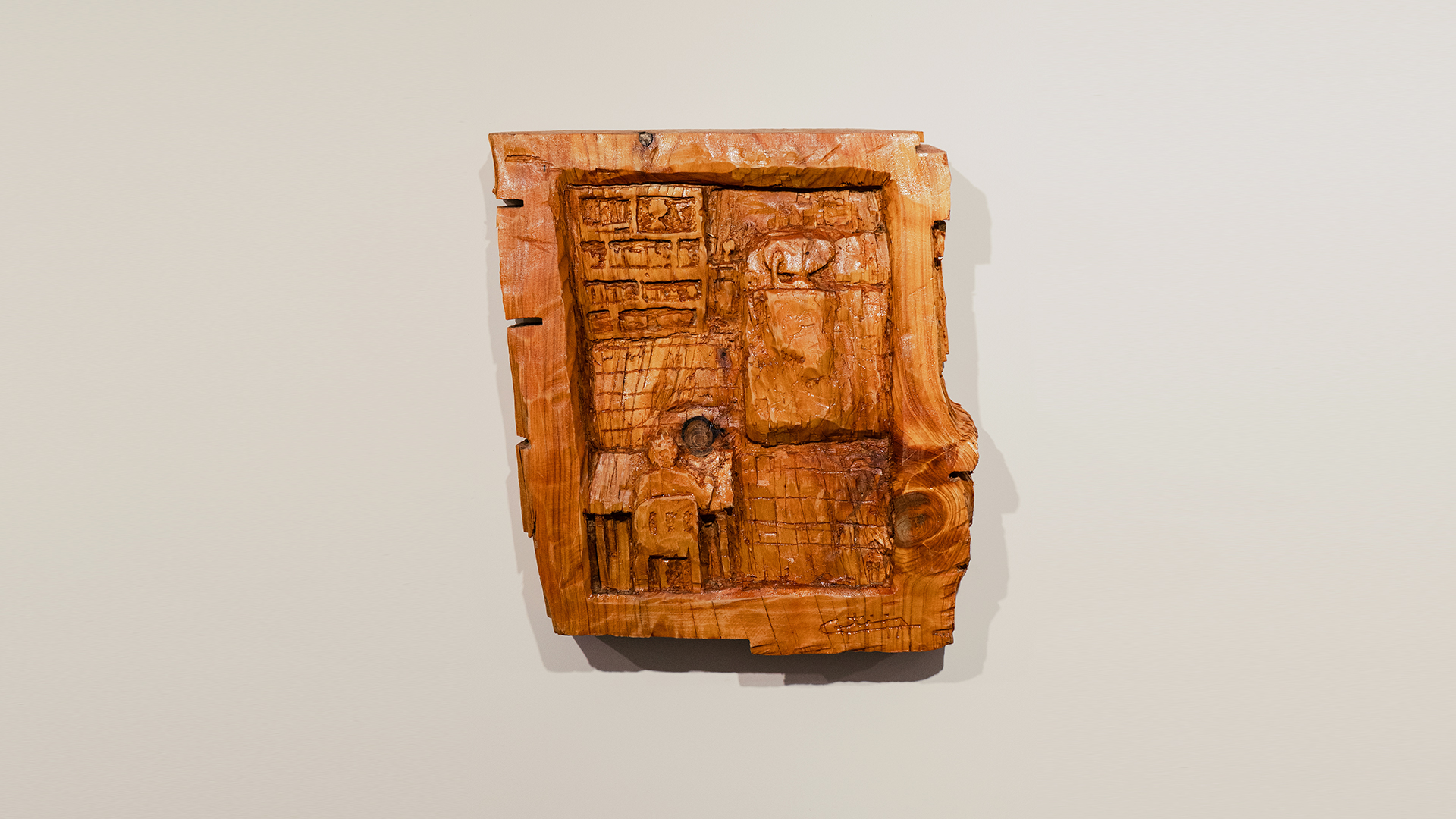
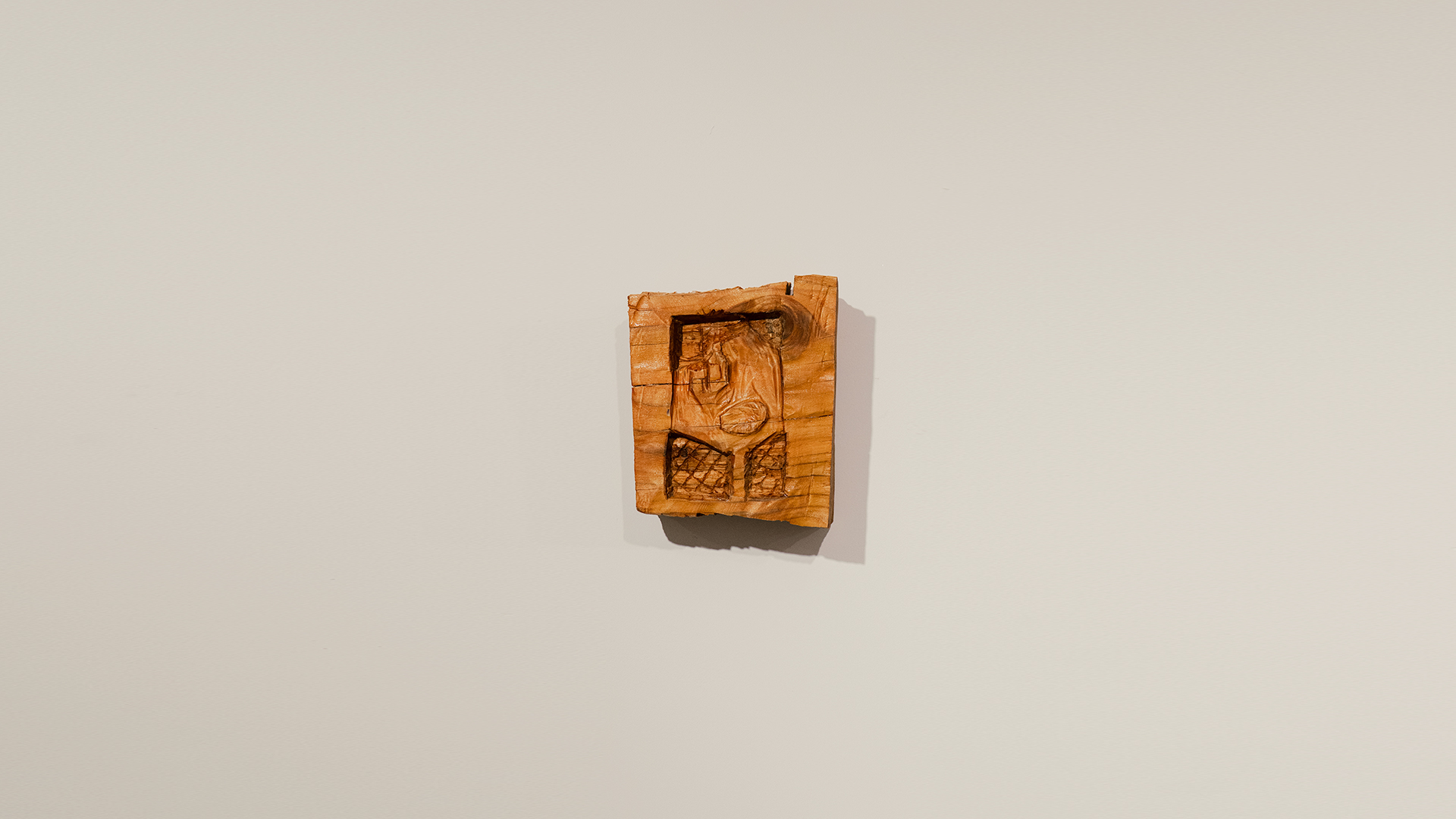
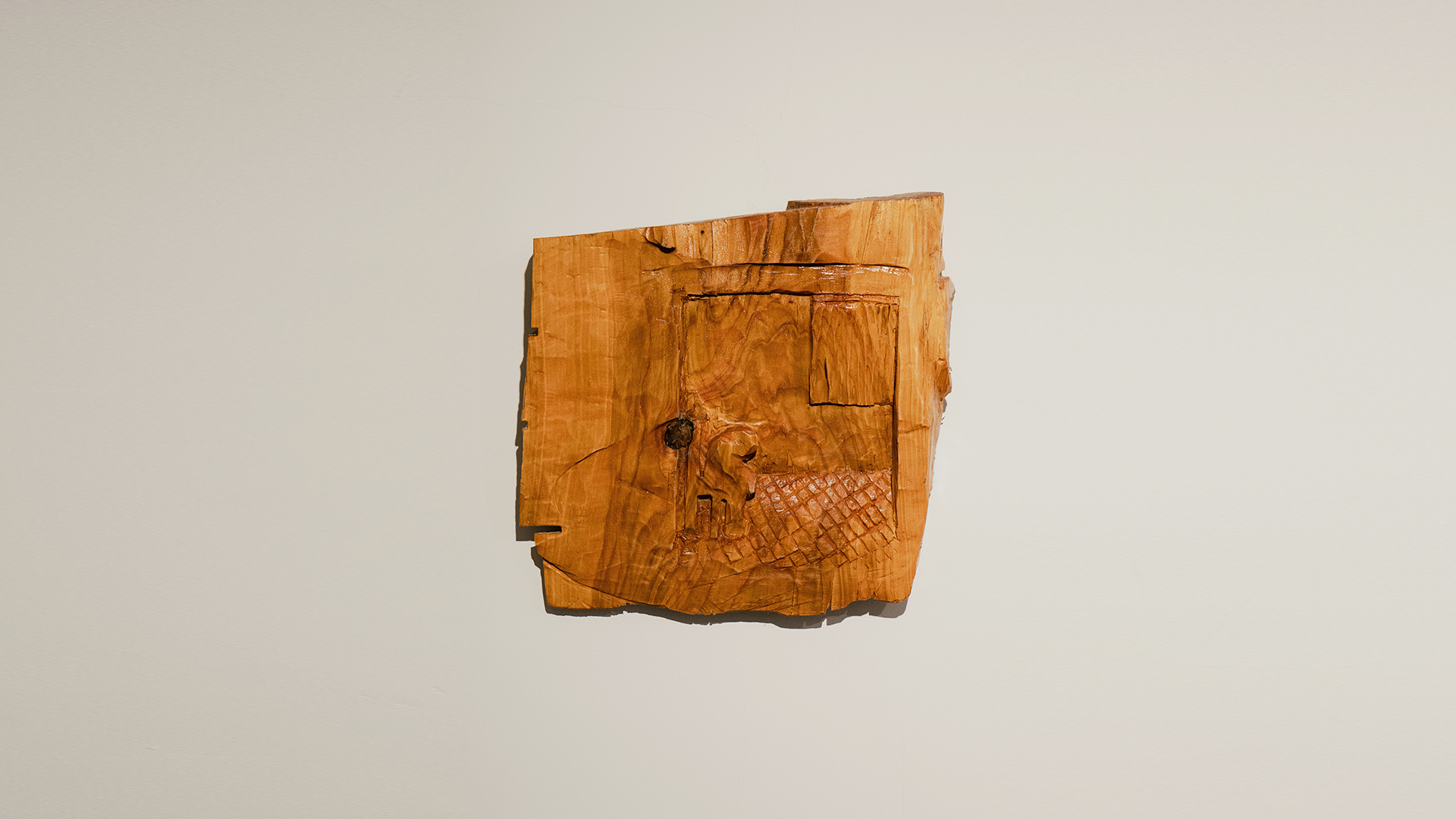
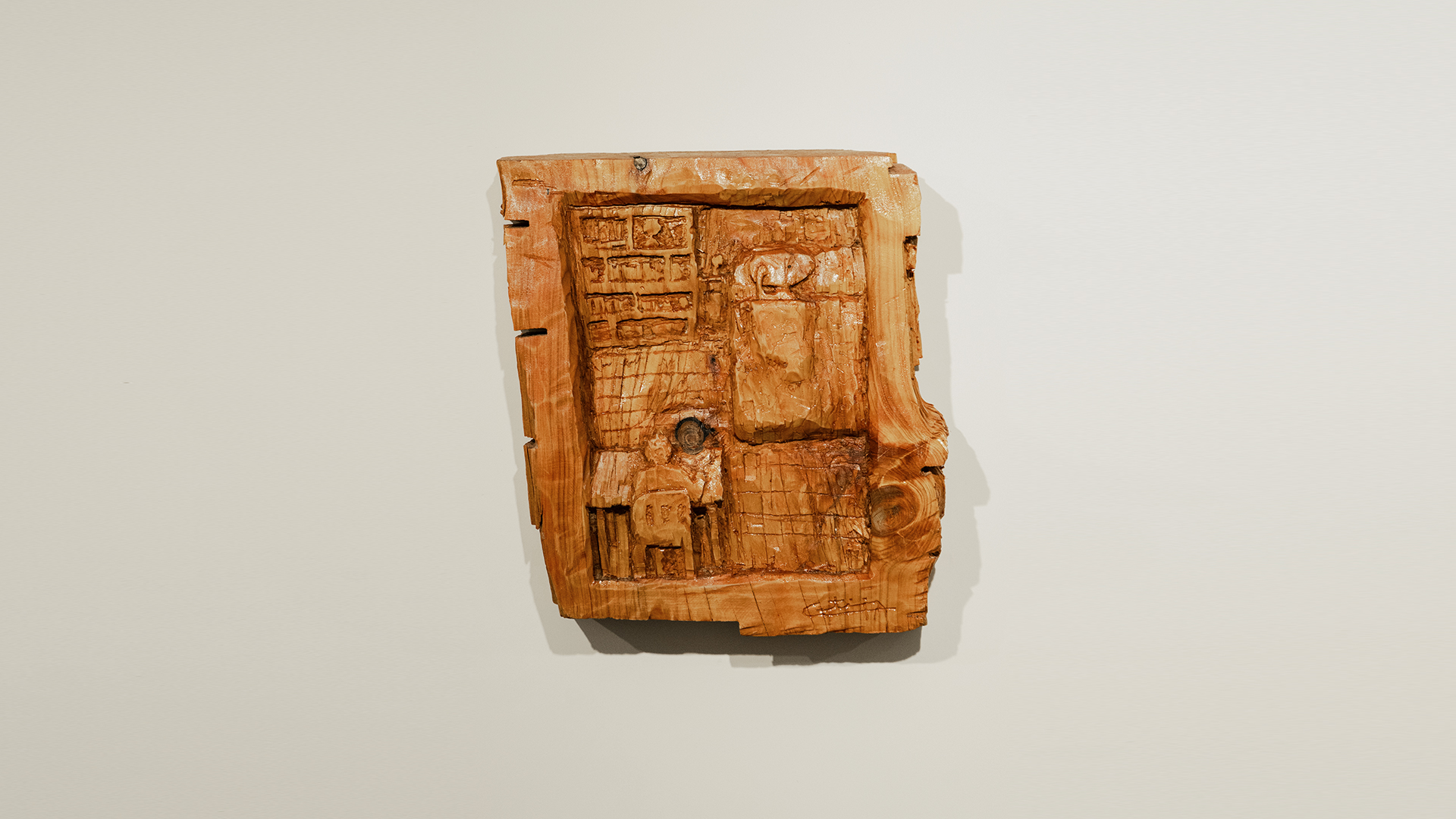
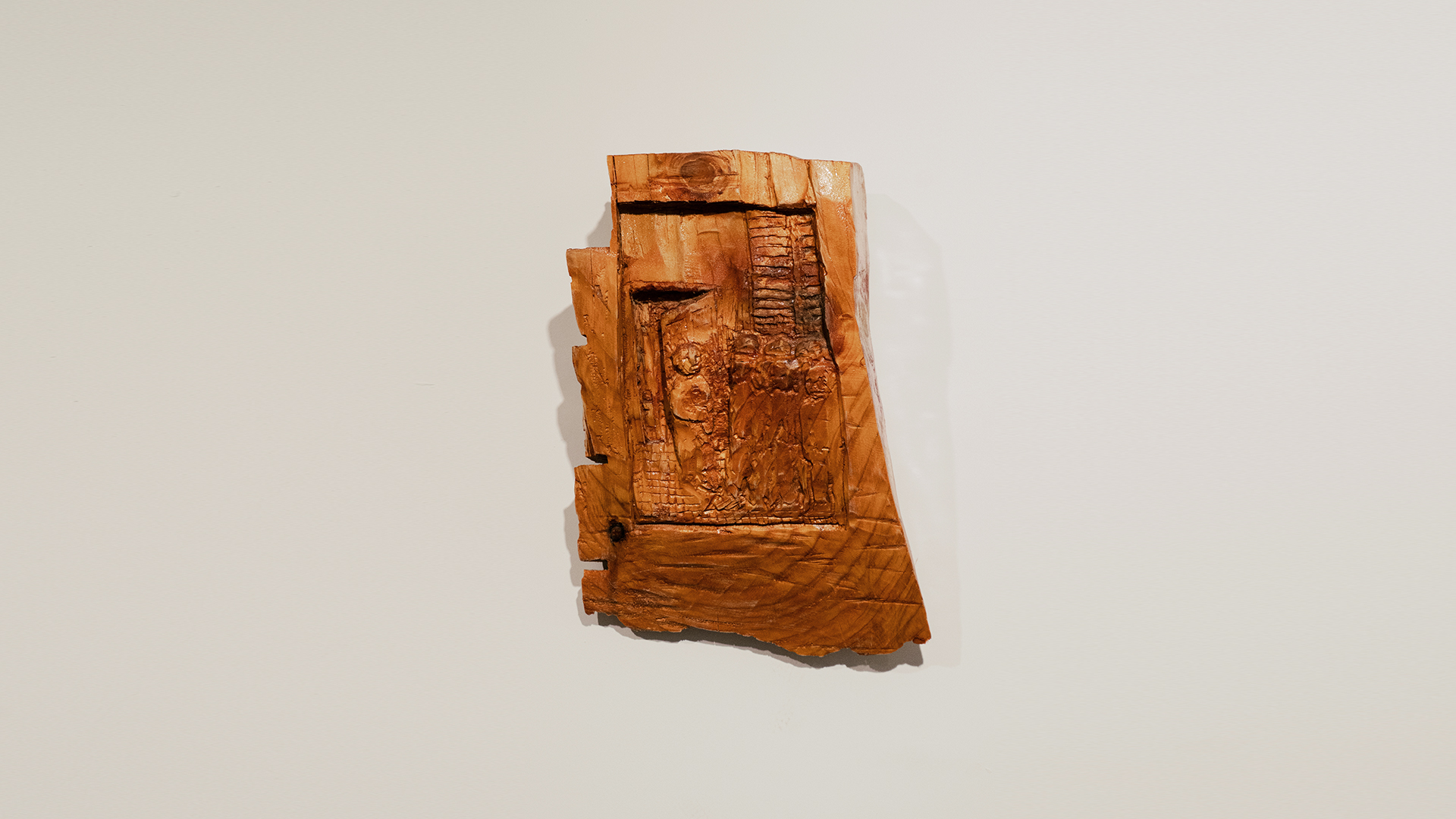
Centro Cultural Contraviento inaugurated the exhibition “Cayendo hacia adelante” (Falling Onward), by artist Federico Cantini (1991), from Rosario, with texts by Daiana Henderson. The exhibition, which took place in the small Contraviento gallery and was met with great interest by the public, showcased a series of low relief pieces on wood as well as artwork made from clay sourced from the Paraná River.


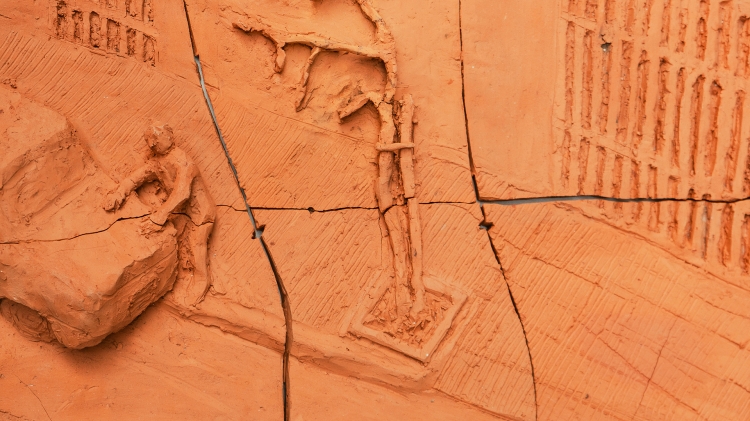
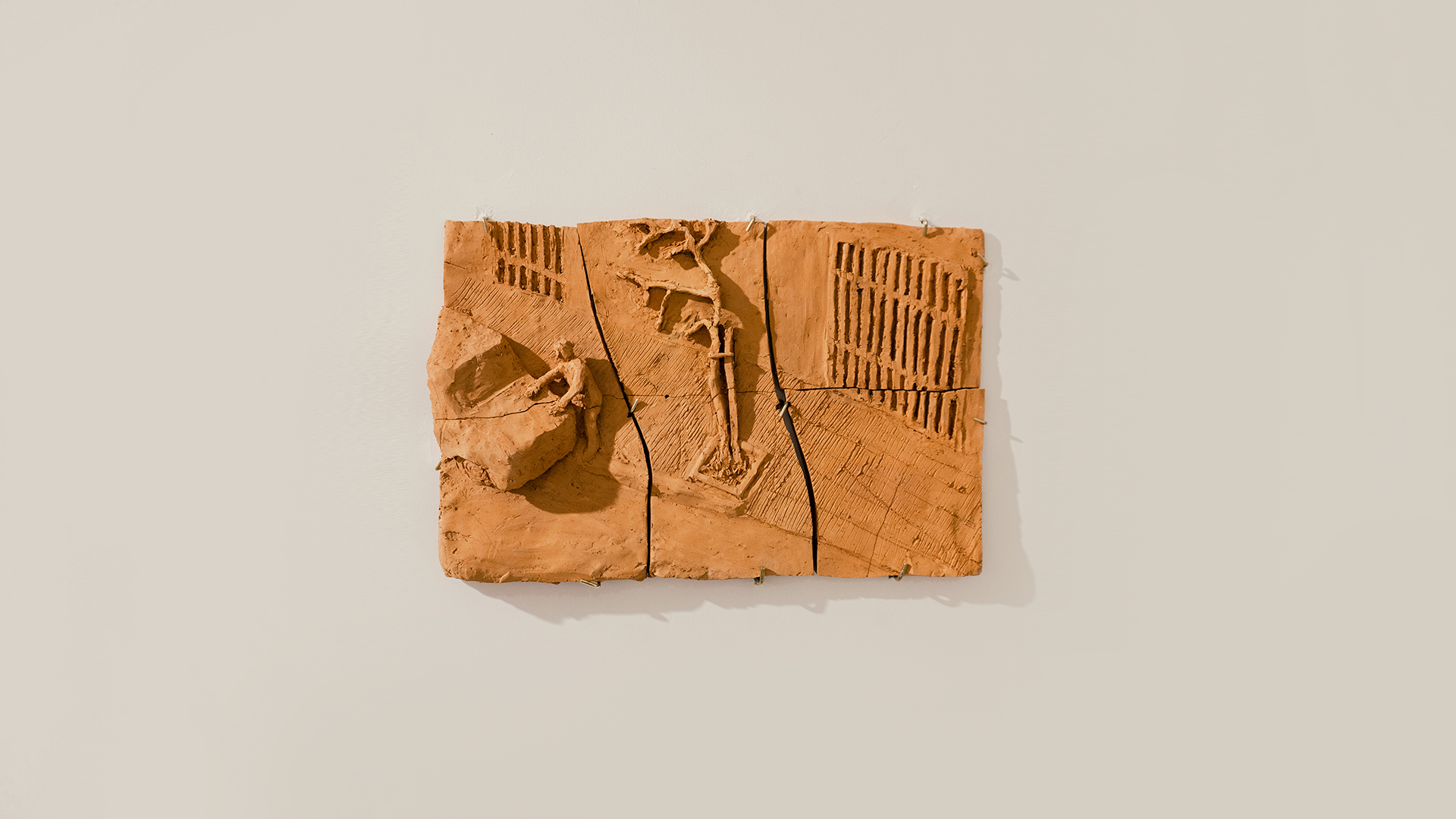
These are artistic episodes that represent dramatic, tense and violent situations in the city. Situations as hard as the walnut carved and deburr by Cantini, who puts his strength and heart into it. Situations as dark as the raw clay that he shapes until it becomes something clean, but not immaculate.


“These are brief episodes,” the artist would say, without going into much detail because he prefers not to talk; the wood and its cuts, the baked and sculpted clay can talk for themselves.


Rather than talking, these pieces guide us to an urban universe, swamped and splintered, which connects with Contraviento’s main theme: Culture and Drug Trafficking in Rosario.


Concretely, it connects with the poem Diego, by Eduardo D’Anna, which is exhibited in the adjacent gallery in Contraviento.


It is possible to appreciate intertextuality when reading and observing both art pieces. In the two of them there are traces of the wait, the desperation, the helplessness, the unrequited visits, the unrequited love, as well as places in Rosario, a city which is famished, yet devoid of hunger.


“She is staring as if she is waiting for someone. Hopefully ?he wishes? someone will come. And hopefully it’s him ?he thinks. Hopefully, one day, he will be the one his mother is waiting for, and he realizes that he has been a long time without thinking, without bothering to think, not even a little,” writes D’Anna, rhyming with the wood planks that Cantini torn away until they had shape and meaning.


“Parallel lines meet at the infinity; there, exactly where she, standing at her doorstep, has set her eyes on. It’s cold, the sun sets. There’s only light left. But he doesn’t return home,” tells D’Anna, and this will certainly rhyme with Cantini’s art pieces.


Clay


For years now, Cantini has crossed the river to the island in order to get clay for his sculptures. He explains that choosing the place where he will source the raw material is a matter of trial and error. Here it’s too sandy, there it’s too soft.


His expertise, as well as fate, help him to find the middle ground, since nature is misleading: in a matter of hours, the river can change the physiognomy and the essence of the terrain.


Cantini’s work follows a path similar to the natural strength used to carve and reshape the clay until it turns into “brief episodes.”


ARTWORK:


CENTRO CULTURAL CONTRAVIENTO
Federico Cantini

[Cayendo hacia adelante (Falling Onward)] Federico Cantini’s exhibition

Centro Cultural Contraviento inaugurated the exhibition “Cayendo hacia adelante” (Falling Onward), by artist Federico Cantini (1991), from Rosario, with texts by Daiana Henderson. The exhibition, which took place in the small Contraviento gallery and was met with great interest by the public, showcased a series of low relief pieces on wood as well as artwork made from clay sourced from the Paraná River.


These are artistic episodes that represent dramatic, tense and violent situations in the city. Situations as hard as the walnut carved and deburr by Cantini, who puts his strength and heart into it. Situations as dark as the raw clay that he shapes until it becomes something clean, but not immaculate.


“These are brief episodes,” the artist would say, without going into much detail because he prefers not to talk; the wood and its cuts, the baked and sculpted clay can talk for themselves.


Rather than talking, these pieces guide us to an urban universe, swamped and splintered, which connects with Contraviento’s main theme: Culture and Drug Trafficking in Rosario.


Concretely, it connects with the poem Diego, by Eduardo D’Anna, which is exhibited in the adjacent gallery in Contraviento.


It is possible to appreciate intertextuality when reading and observing both art pieces. In the two of them there are traces of the wait, the desperation, the helplessness, the unrequited visits, the unrequited love, as well as places in Rosario, a city which is famished, yet devoid of hunger.


“She is staring as if she is waiting for someone. Hopefully ?he wishes? someone will come. And hopefully it’s him ?he thinks. Hopefully, one day, he will be the one his mother is waiting for, and he realizes that he has been a long time without thinking, without bothering to think, not even a little,” writes D’Anna, rhyming with the wood planks that Cantini torn away until they had shape and meaning.


“Parallel lines meet at the infinity; there, exactly where she, standing at her doorstep, has set her eyes on. It’s cold, the sun sets. There’s only light left. But he doesn’t return home,” tells D’Anna, and this will certainly rhyme with Cantini’s art pieces.


Clay


For years now, Cantini has crossed the river to the island in order to get clay for his sculptures. He explains that choosing the place where he will source the raw material is a matter of trial and error. Here it’s too sandy, there it’s too soft.


His expertise, as well as fate, help him to find the middle ground, since nature is misleading: in a matter of hours, the river can change the physiognomy and the essence of the terrain.


Cantini’s work follows a path similar to the natural strength used to carve and reshape the clay until it turns into “brief episodes.”


ARTWORK:


Federico Cantini